How are water points established?
Who provides land? Who finances construction or rehabilitation?



Xudur & Wanlaweyn Districts
This interactive report presents findings from the Water Tenure Assessment in Xudur and Wanlaweyn Districts, a qualitative case study of displacement-affected settlements. The assessment examines how socio-economic dynamics related to displacement, land ownership, local power dynamics, financing arrangements, and the increasing commercialisation of water in urban contexts influence the evolving operation and maintenance and management arrangement of water sources, and how these arrangements affect equitable access to water, particularly for displaced and marginalised communities.
This interactive report is best viewed on a desktop or laptop.
The availability of water infrastructure alone does not determine access to water. Land ownership, social dynamics, local power structures and the economic value attached to water all influence who can access water, who benefits from it, and who might be excluded.
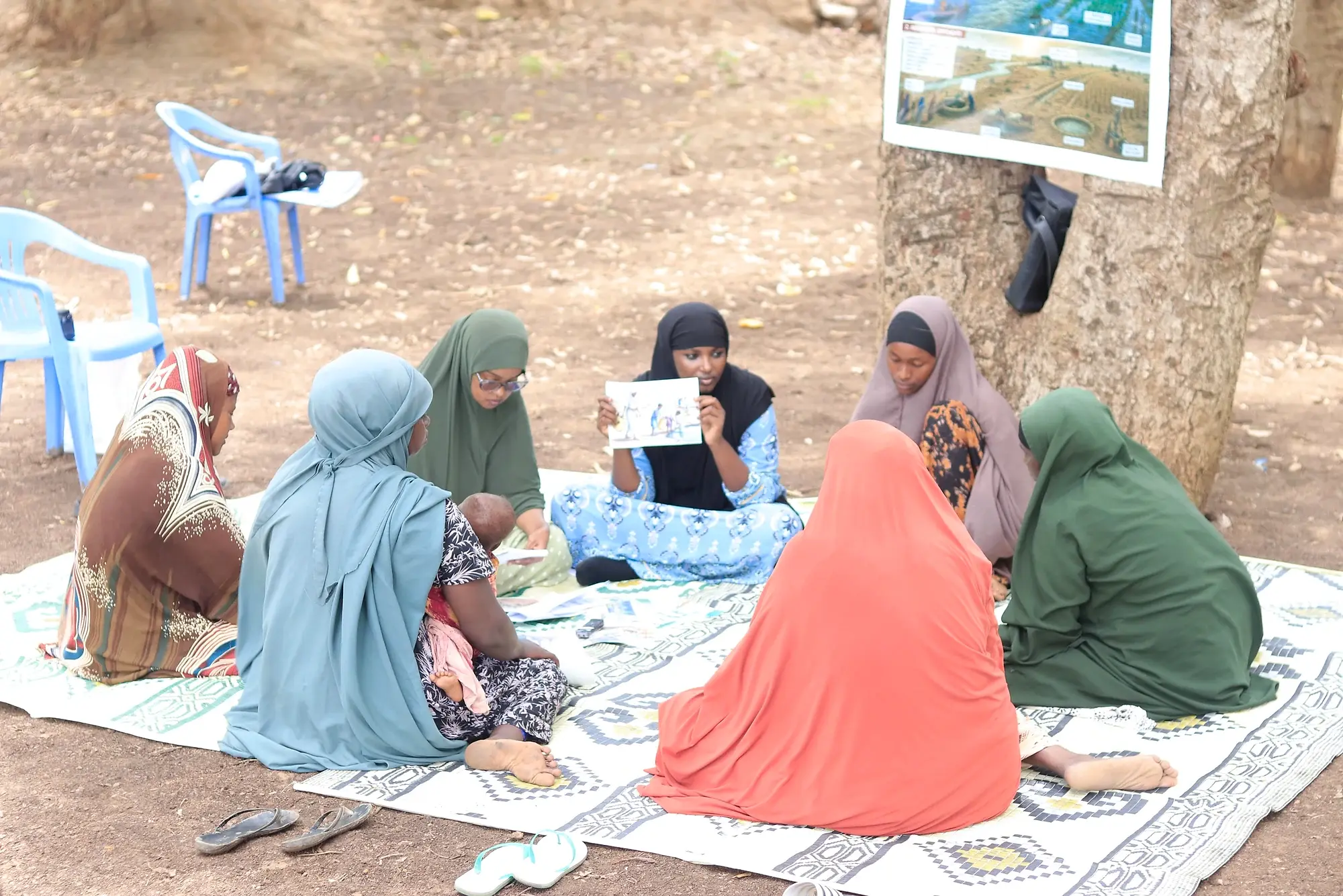
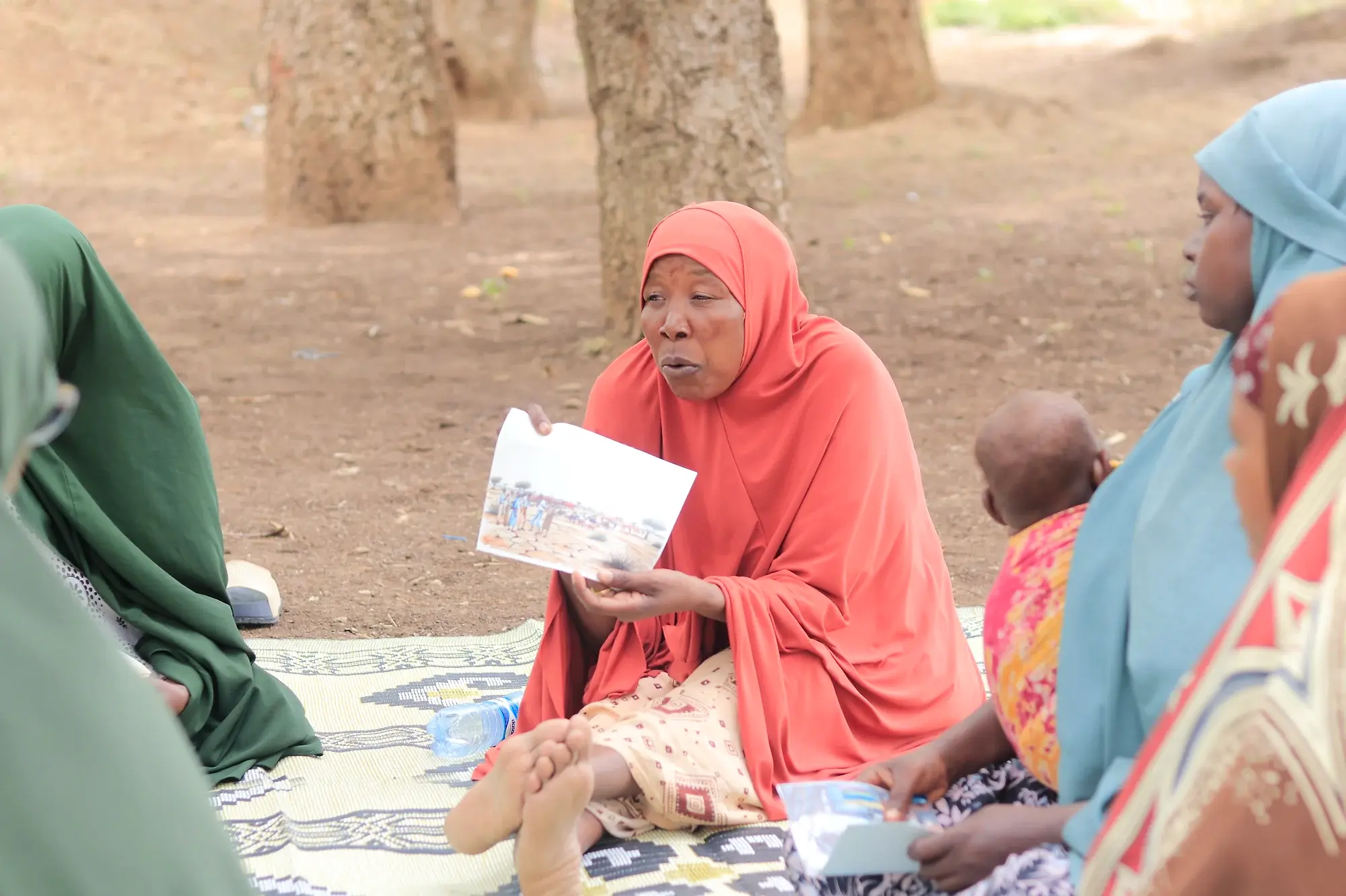
A group discussion, with printed cards and illustrated posters. Photo: Raagsan
In Xudur and Wanlaweyn, water access is closely connected to where water sources are located, who owns the land and infrastructure, who finances and manages water systems, and the arrangements through which communities access and pay for water. These arrangements are particularly important in displacement-affected settlements, where households often live on land owned by others and depend on water sources over which they have limited control.
The growing commercialisation of safer drinking water, where households rely heavily on privately managed water points and water vendors to purchase drinking and safer water, adds another dimension. Boreholes, water pipelines and vendors selling water increasingly connect communities to safer water, but they also make access more dependent on household purchasing power or their ability to pay for the water. During prolonged dry periods, when alternative or cheaper sources such as shallow wells and seasonal water points decline, dependence on commercially supplied water increases further.
Understanding water access therefore requires looking beyond infrastructure and digging deeper into the issues related to water governance, O&M financing and the power dynamics surrounding how water systems are managed.
Most water programmes ask: where should we build water infrastructure? But infrastructure alone does not determine water access.
Are decisions related to the type of communal water infrastructure to be built taking into consideration the community's capacity to manage and sustain its operations?
Whether decisions about the type of infrastructure to be built take into consideration the community's technical and financial capacity to manage and sustain its operation, particularly where the infrastructure requires significant and continuous investment in operation and maintenance.
Displaced households often settle on land owned by others and depend on water sources and infrastructure over which they have limited ownership or decision-making authority. Poorer households, minority groups and other marginalised communities may therefore have less influence over distribution, pricing, prioritisation, management and dispute resolution.
At the same time, safer drinking water is increasingly accessed through privately managed boreholes, pipelines, vendors and transport networks. For households without reliable sources nearby, access becomes closely connected to their ability to pay.
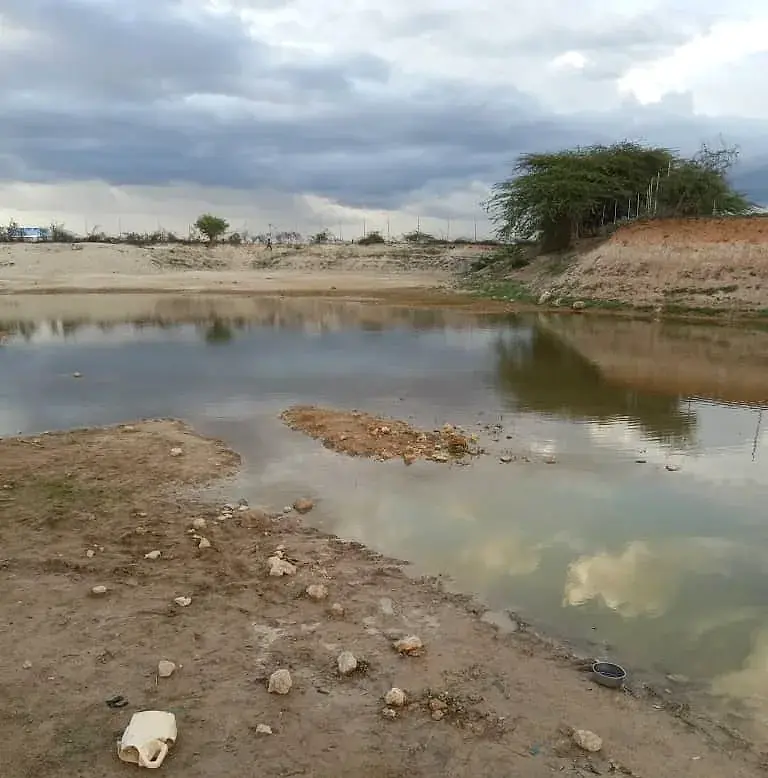
Shallow wells produce less water or dry up
Berkads and seasonal catchments become depleted
Greater dependence on boreholes and vendors
Demand and transport costs increase
Affordability becomes a greater barrier
Rather than approaching water access simply as a question of infrastructure availability, the study explores how access is influenced by land ownership and the management, use, allocation, pricing and control of water resources in Xudur and Wanlaweyn Districts.
Particular attention is given to how these factors contribute to patterns of inclusion and exclusion within displacement-affected and marginalised communities.
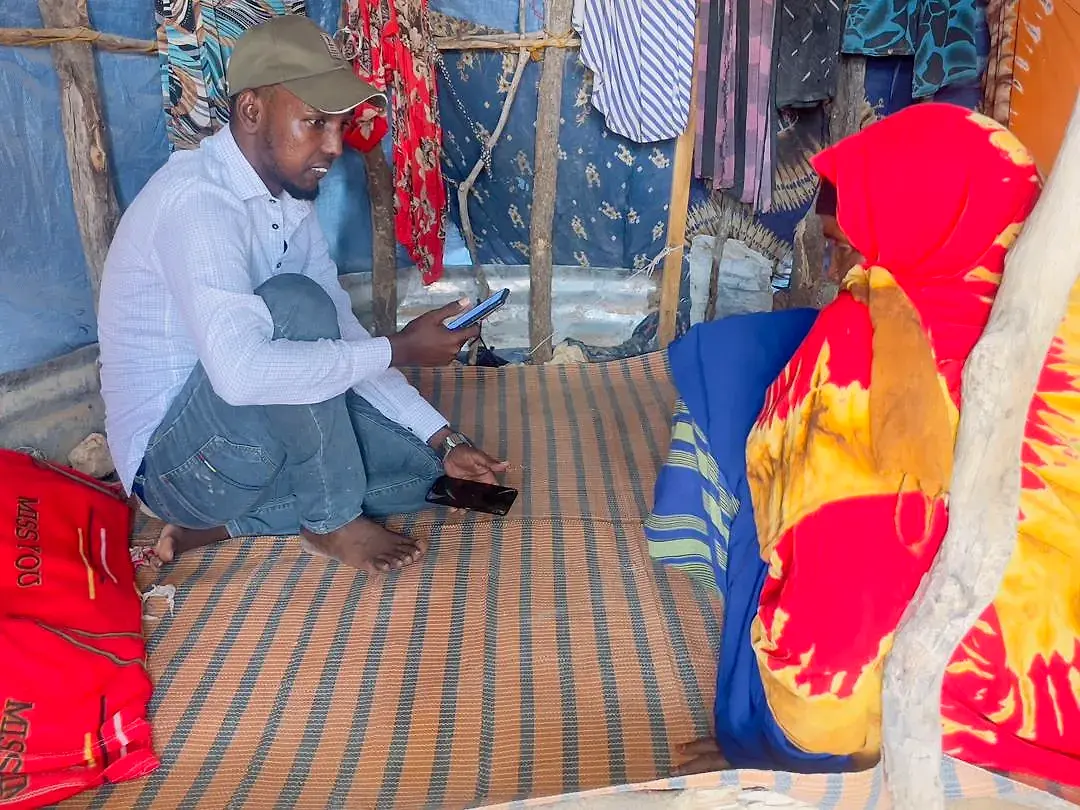
This study examines water tenure within the broader socio-economic conditions that influence access to water in urban and displacement-affected contexts.
The concept of water tenure provides a broader understanding of who can access water, under what conditions, for what purposes, and at what cost, as well as a picture on how the management of water infrastructure is closely linked to the economic benefits of water systems and the role it plays in settlement expansion. Water tenure assessments go beyond questions of legal ownership of the infrastructure provision and try to understand the broader social, economic, and institutional arrangements shaping how water resources are accessed, controlled, managed, and contested across society.
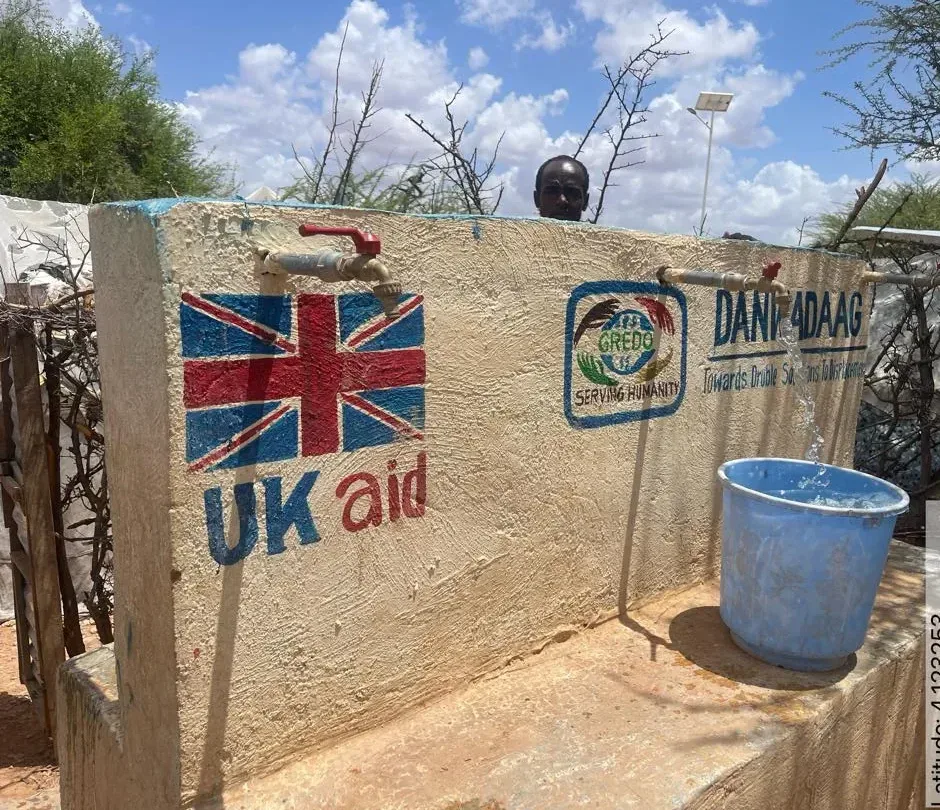
Water tenure refers to the systems through which rights, responsibilities, access and control over water resources are organised, negotiated and enforced (FAO 2020).
Water tenure arrangements are varied. They can evolve over time as investment, infrastructure functionality, operational costs, demand and the economic value of water change.
The study adopted a qualitative research approach to understand how water is accessed, negotiated and managed across different water sources and displacement-affected settlements in Xudur and Wanlaweyn.
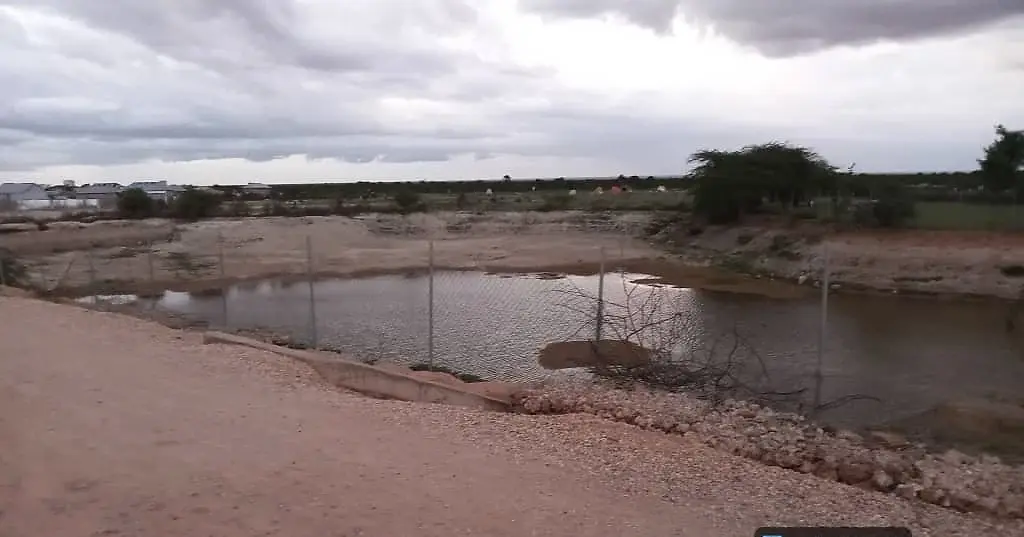
Mapped water sources, access systems and settlement dynamics and informed site selection.
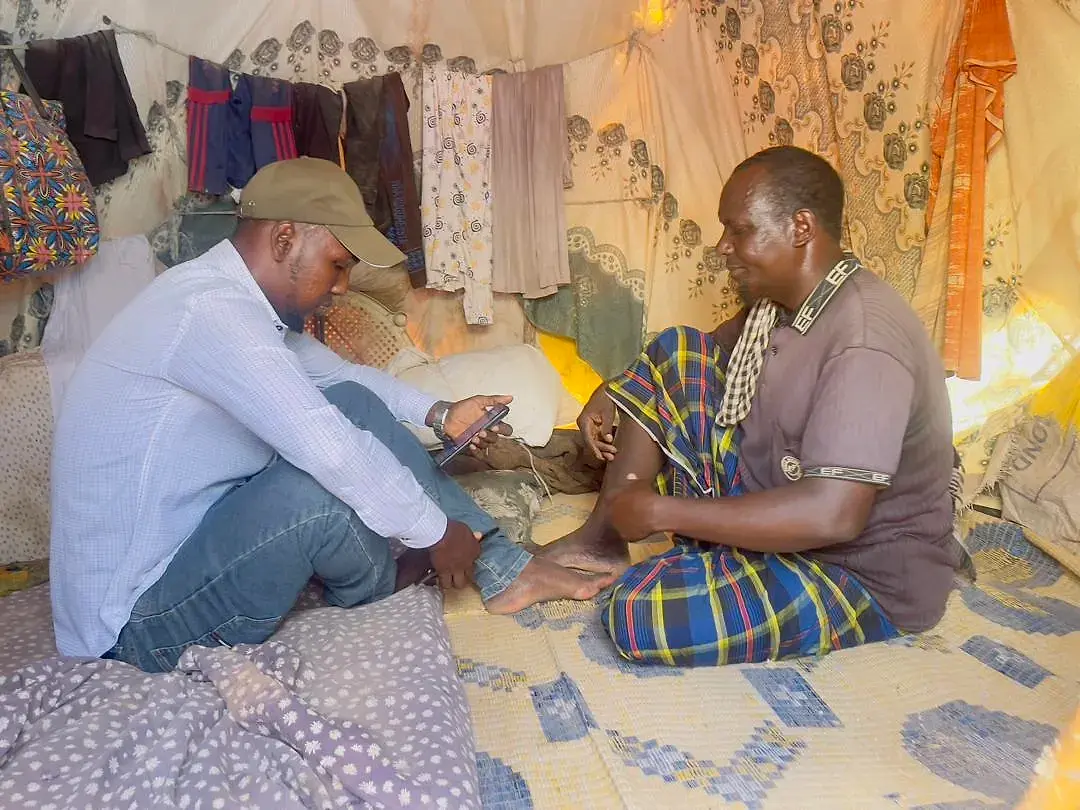
Explored ownership, access, pricing, operation and maintenance, functionality, management practices and everyday challenges.
Deepened understanding of ownership, tenure systems, access rules, management and historical factors.
Access to safe and reliable water for displaced communities in Xudur and Wanlaweyn depends on a combination of factors related to environmental conditions, the land where people settle, the availability of water infrastructure near settlements, seasonal variations linked to rainfall availability or prolonged dry periods, and households' ability to pay for water supplied through vendors for commercial purposes.
A participant speaking to an illustration card during a session. Photo: Raagsan
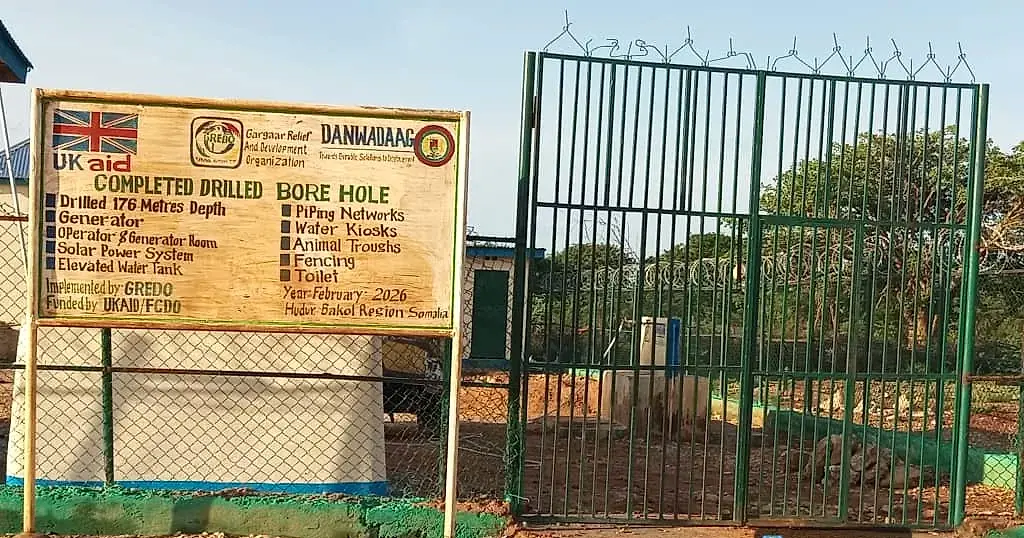
Across the assessed IDP settlements, households rely on multiple water sources depending on water quality, affordability, distance, season, and intended use. Most communities rely on shallow wells for non-drinking domestic purposes, while drinking water is either fetched from nearby shallow wells with relatively better water quality or purchased from vendors who transport water from boreholes around Xudur town and the airport area. Some settlements also collect water from communal collection points constructed by NGOs with piping systems connected to boreholes located in town.
Households use different sources depending on water quality, price, distance, seasonal availability and the households' intended use of the water.
Most of the water points were either privately established or located on privately owned land and operated under a mix of private, communal, and informal tenure arrangements involving landowners, committees, private operators, NGOs, and surrounding communities.
Safer drinking water is increasingly accessed through commercially managed systems.
Management models adopted can shift as infrastructure value, operation and maintenance requirements and investment needs change.
Access to safer drinking water increasingly depends on the ability to pay.
Actors who are able to finance fuel, repairs and maintenance are often better positioned to sustain and influence systems.
Access to safe and reliable water for displaced communities in Xudur and Wanlaweyn depends on a combination of factors related to environmental conditions, the land where people settle, the availability of water infrastructure near settlements, seasonal variations linked to rainfall availability or prolonged dry periods, and households' ability to pay for water supplied through vendors for commercial purposes.
Communities in Xudur and Wanlaweyn access water from a range of different sources. The towns are characterised by a semi-arid climate with limited surface water, so most households depend on groundwater, particularly from shallow wells and boreholes, throughout the year. Across the assessed settlements, households rely on multiple water sources, depending on water quality, affordability, distance, the season, and intended use. Water sources used for drinking and cooking are often different from those used for washing, cleaning, bathing, and other domestic purposes.
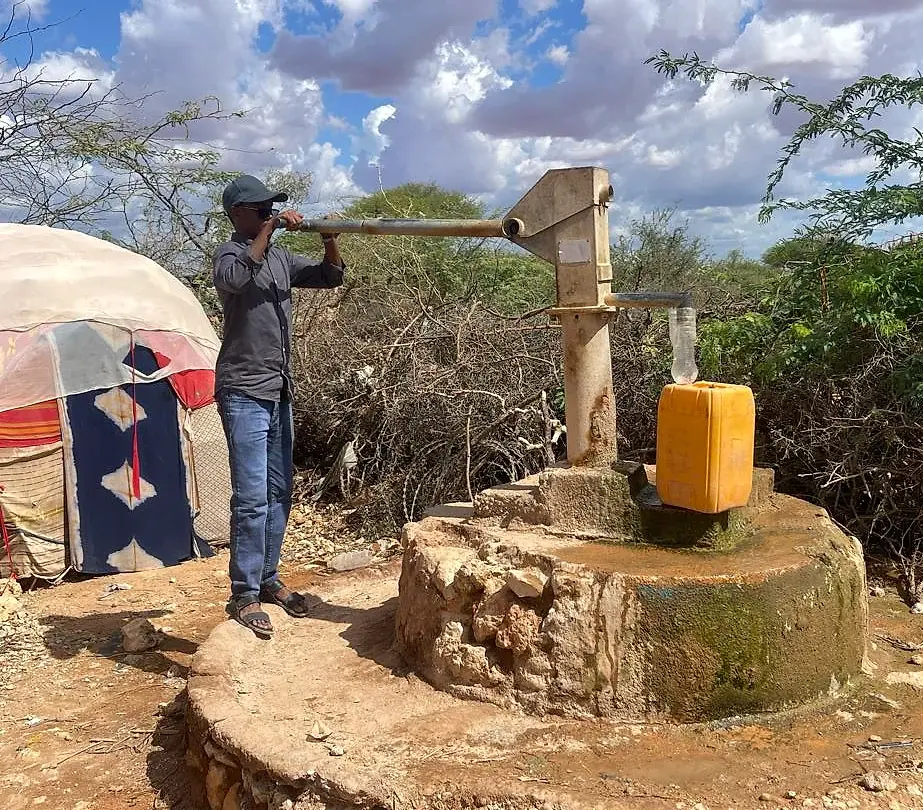
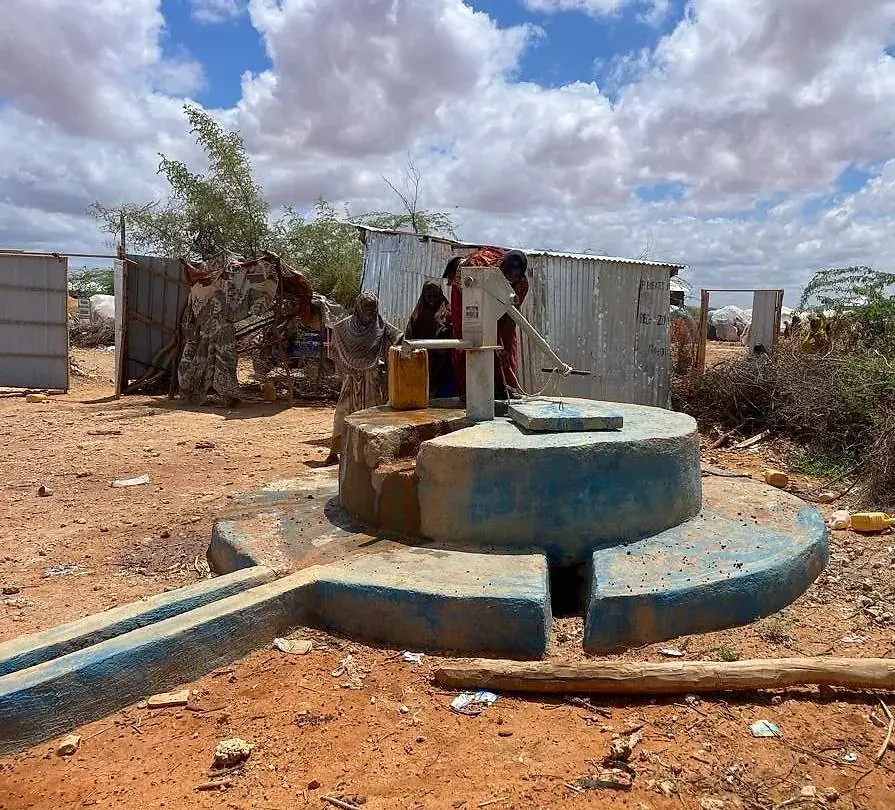
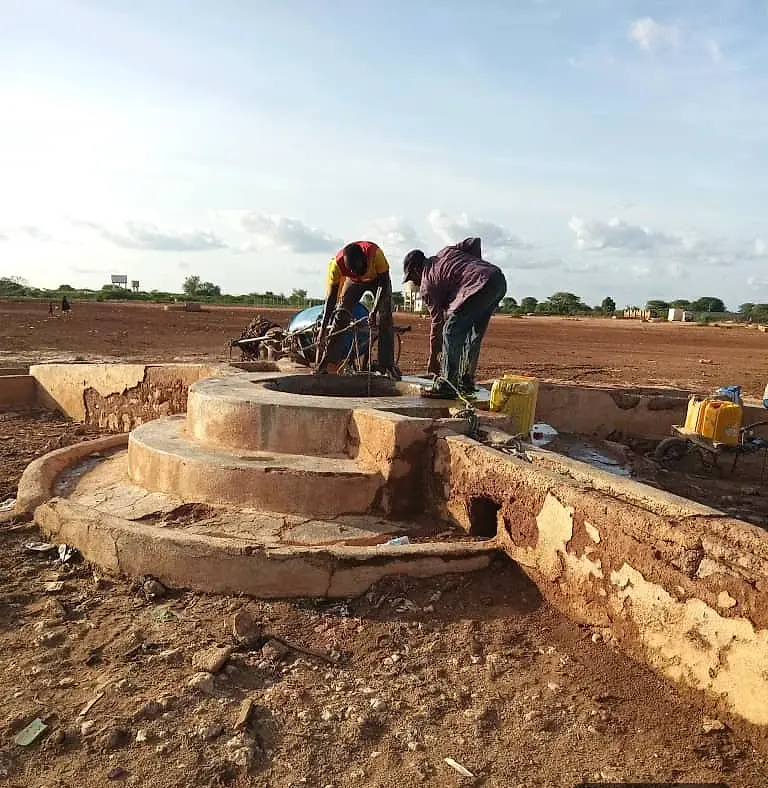
Main water source within many settlements. Usually saline or contaminated and collected manually using buckets and ropes. Mostly privately owned but commonly accessed through informal communal arrangements. Some have been rehabilitated with hand pumps by NGOs.
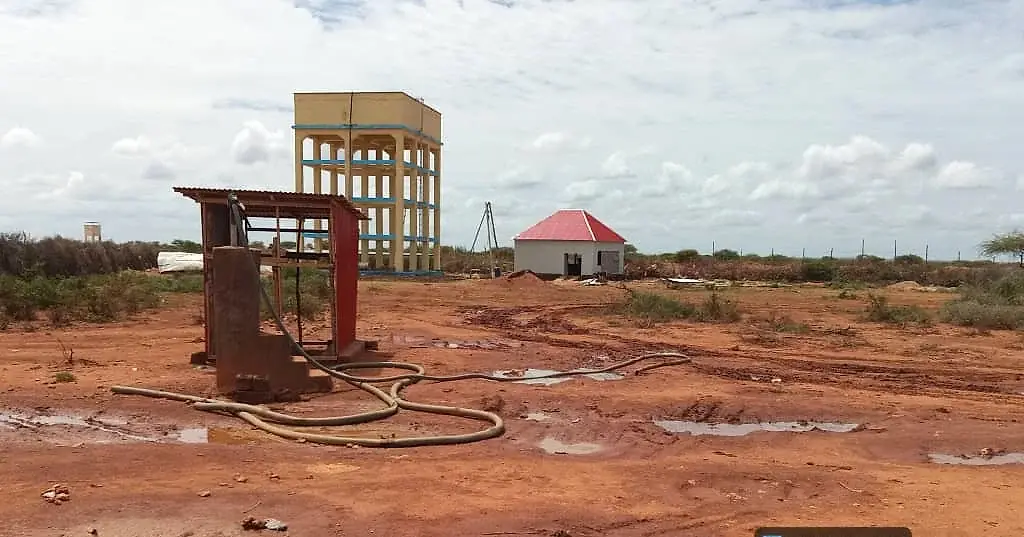
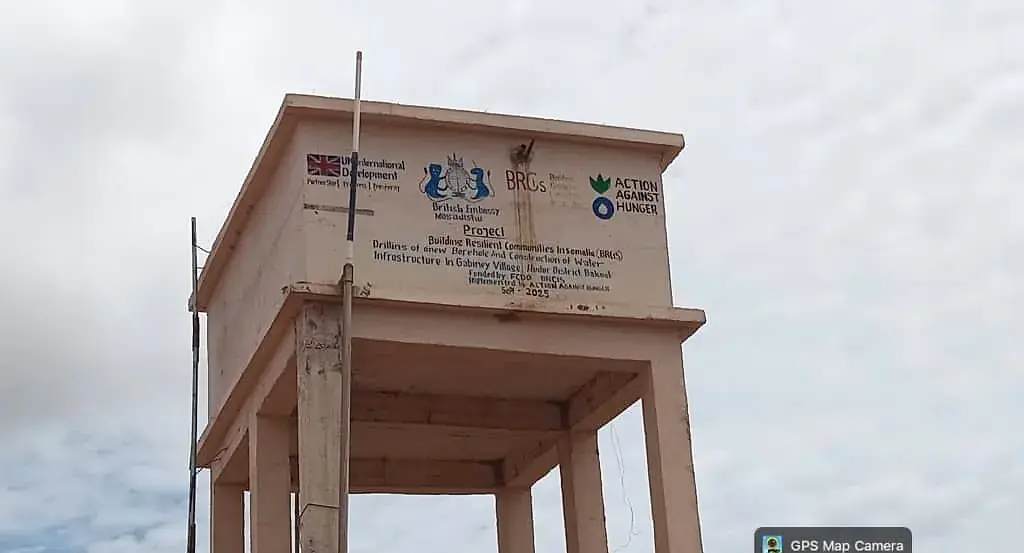
Main source of safer drinking water. Water is distributed through pipelines, communal collection points, vendors and donkey carts. Most operate under private or commercial management, although some were established with donor support. Access is often constrained by affordability and transport costs.
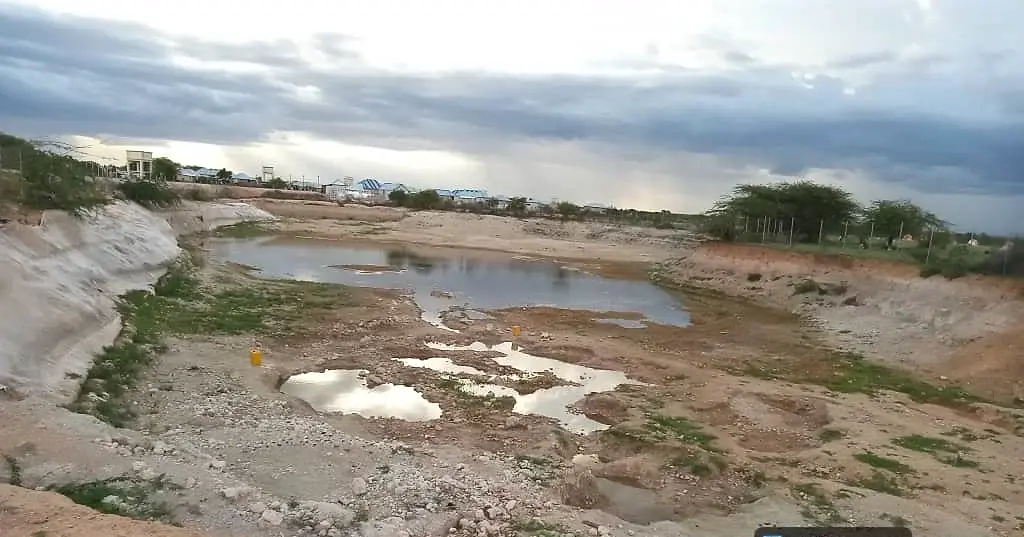
Seasonal water sources that capture rainwater. Important during wet seasons but unreliable during prolonged dry periods due to evaporation, sedimentation and declining water quality.
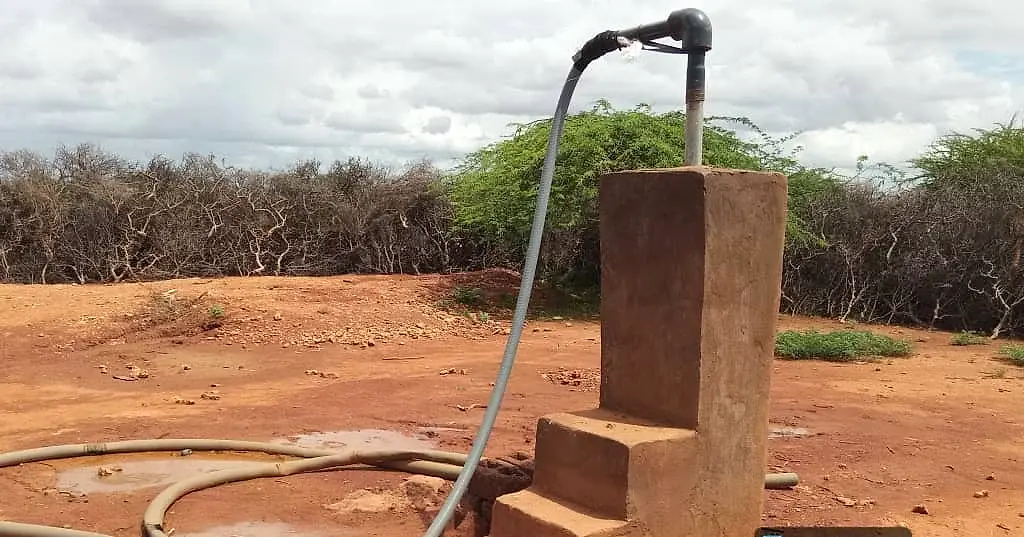
Vendors transport water from boreholes and higher-quality wells to settlements. Essential for communities without nearby safe water sources, but prices often increase during droughts, making access difficult for poorer households and displaced households.
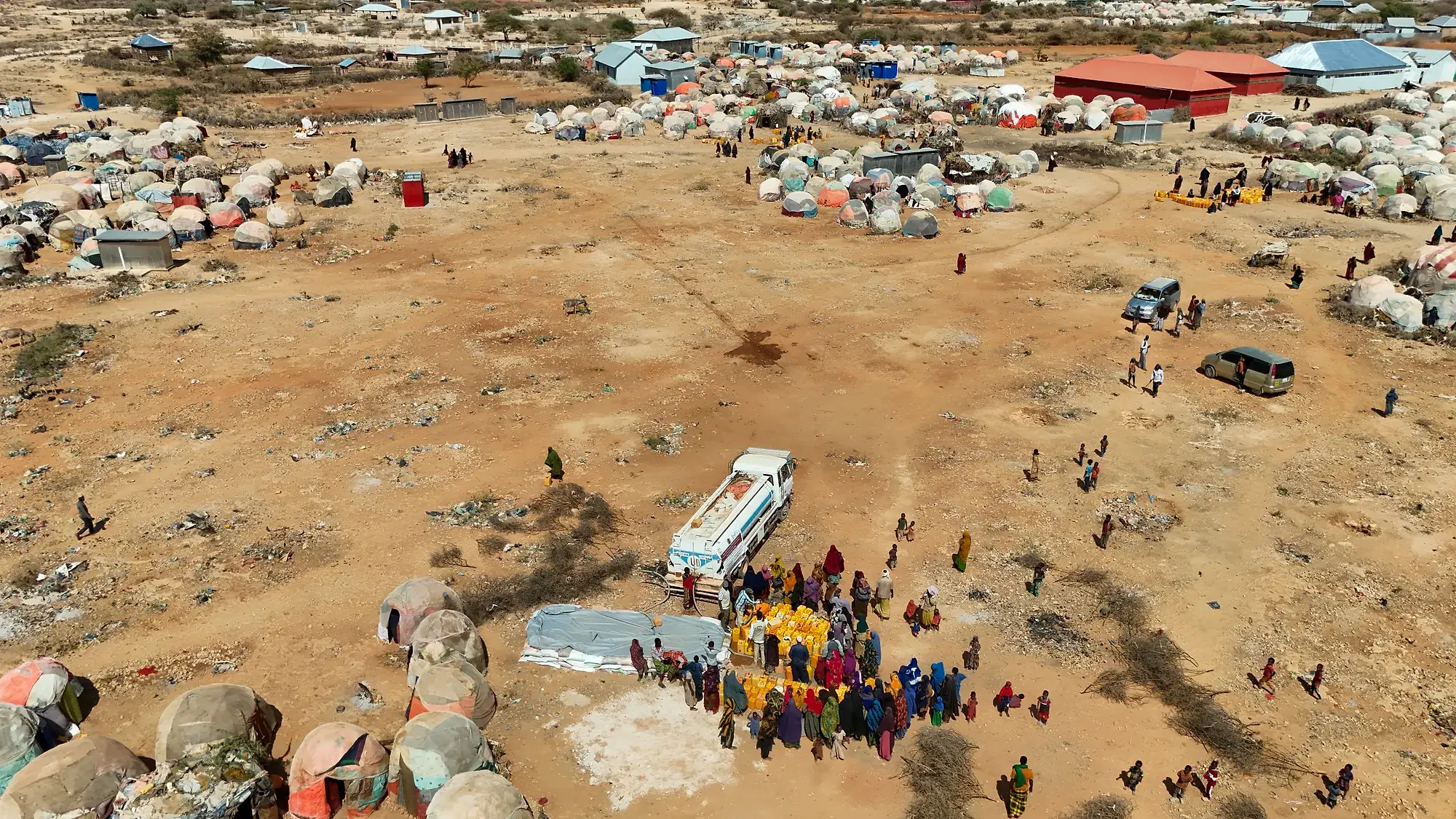
Temporary emergency response during droughts or water shortages. Mainly targets displacement-affected communities but depends on humanitarian funding and is not a sustainable long-term solution.
Households rarely depend on one water source. They shift between sources depending on water quality, affordability, distance, season and infrastructure functionality.
The assessment identified five broad ownership and management arrangements operating across the assessed water points. They are not necessarily fixed, and can evolve over time as investment, infrastructure functionality, operational costs, demand and the economic value of water change.
Ownership, management and access arrangements vary considerably across water points. Different arrangements often coexist within the same district and sometimes within the same water supply system.
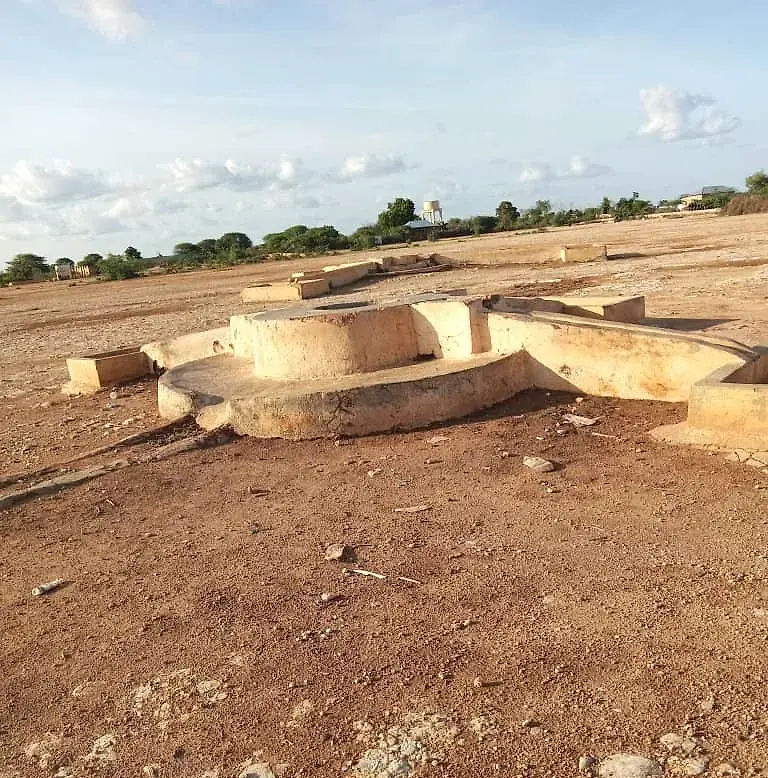
Distance and affordability are major barriers. Settlements without reliable nearby water sources depend heavily on vendors and transporters, while prices rise during drought, shortages and increases in fuel and transport costs.
| Water source | Price per 20-litre jerrycan |
|---|---|
| Non-saline shallow wells | 2,000 |
| Boreholes, direct collection | 5,000 to 7,000 |
| Vendor-Supplied Water | 5,000 to 8,000 |
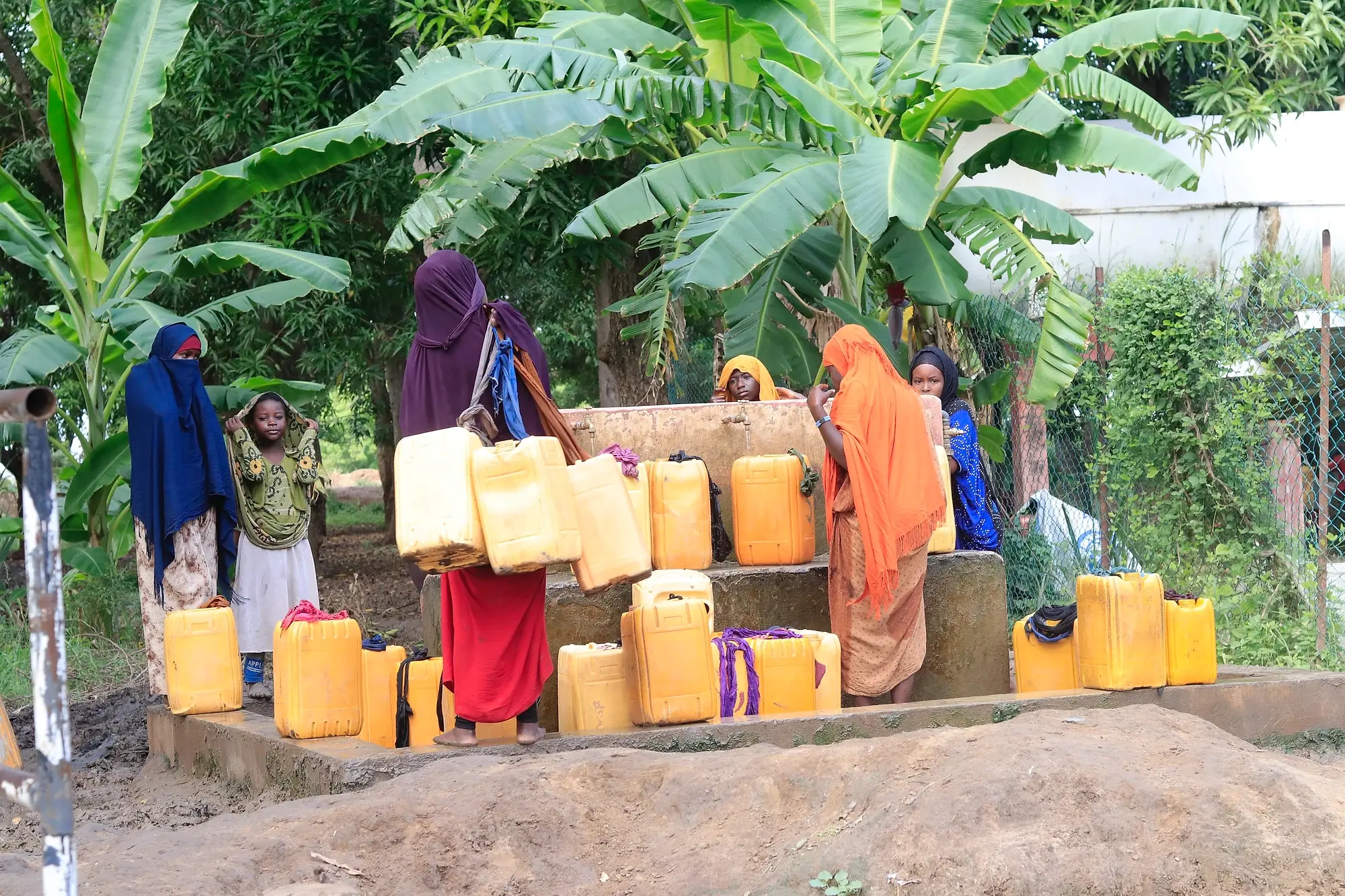
Access to safer water is increasingly influenced by both household purchasing power and social relationships.
Challenges that affect water availability, infrastructure performance and long-term sustainability.
Water systems rely on different financing mechanisms. While routine operating costs are largely financed locally, major infrastructure investments continue to depend on external support.
Households purchase water directly from operators or vendors. Community contributions support shared water points through small user fees. Humanitarian agencies finance infrastructure development, rehabilitation and emergency water supply.
Operating expenditure covers fuel, operators, transport and routine repairs. Capital expenditure covers drilling, pipelines, tanks and major rehabilitation.
Routine costs are generally covered through water sales and user contributions, but community finance is often insufficient for major repairs or infrastructure replacement.
Existing financing arrangements generally sustain day-to-day operation of water systems but remain insufficient to finance major infrastructure replacement and long-term system expansion. Consequently, many water points continue to depend on periodic humanitarian investment for their long-term sustainability.
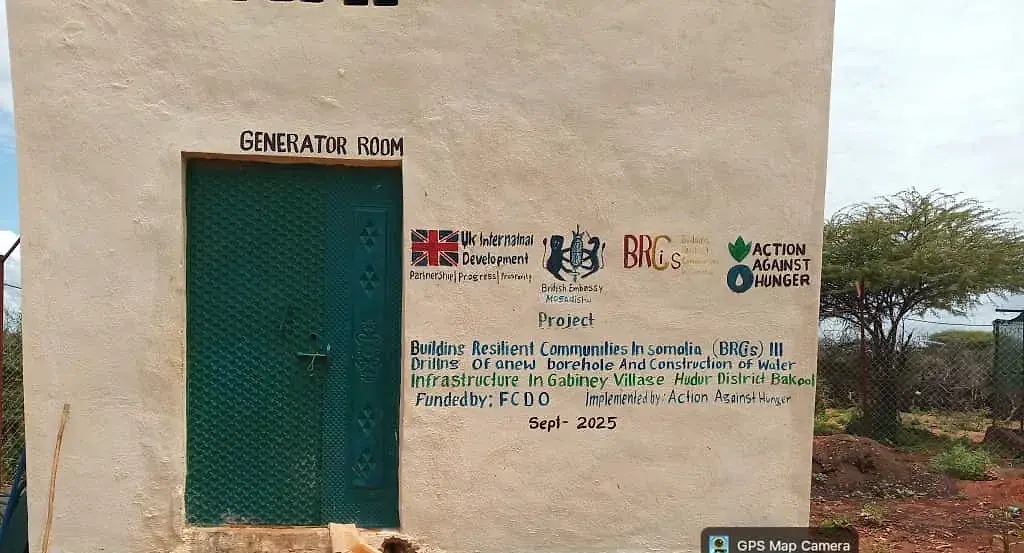
Decisions made during planning, implementation and handover can shape patterns of access, control, accountability and sustainability long after construction is complete.
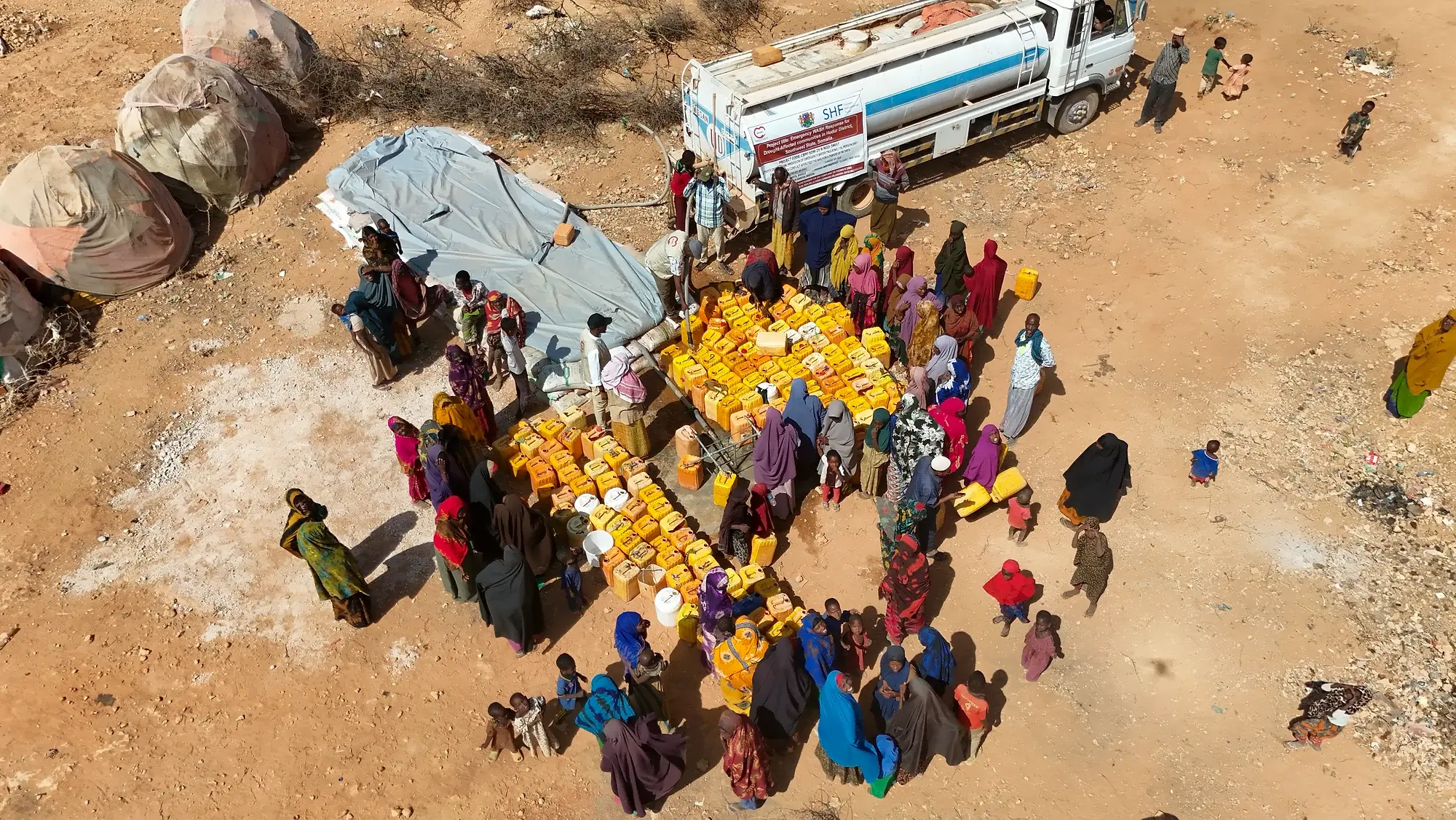
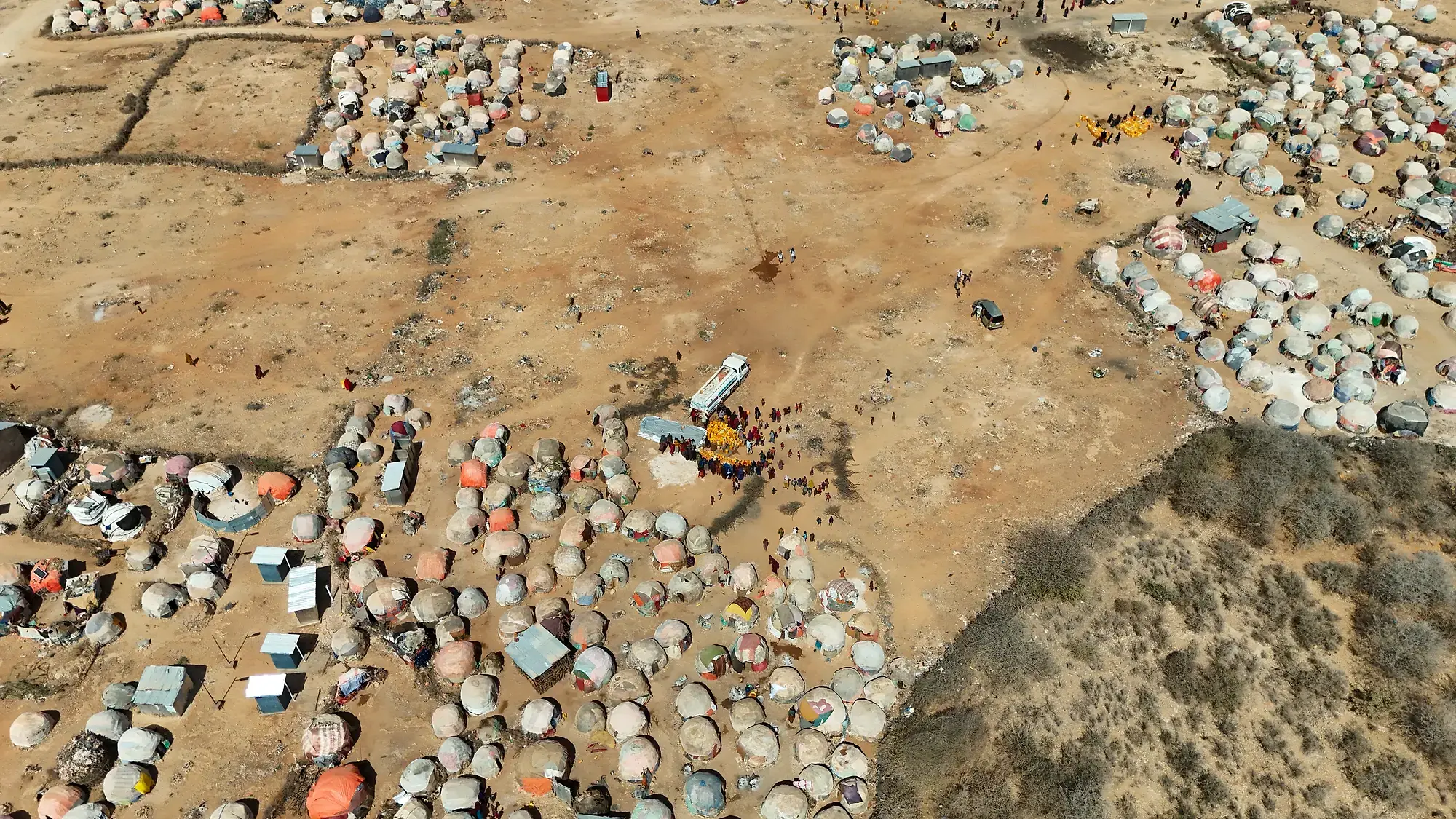
A displacement settlement from above during a tanker distribution, Xudur, February 2026. Photo: Raagsan
Water tenure arrangements are closely intertwined with the political economy of water access. In rapidly urbanising towns affected by displacement and rural migration such as Xudur and Wanlaweyn, water is not simply a natural resource. Water infrastructure, water services, and access to reliable water sources often acquire economic, social, and political value. There are four key main aspects to consider.
As settlements expand and demand for water increases, competition among private operators and other actors over the management and control of water sources can also increase. At the same time, as access to higher-quality water becomes more commercialised, household purchasing power increasingly determines who can access safer water. In these contexts, technical and infrastructure-focused solutions alone may not be sufficient to improve water access if they do not account for the underlying power dynamics, economic incentives and relationships that shape how water is controlled, managed and distributed.
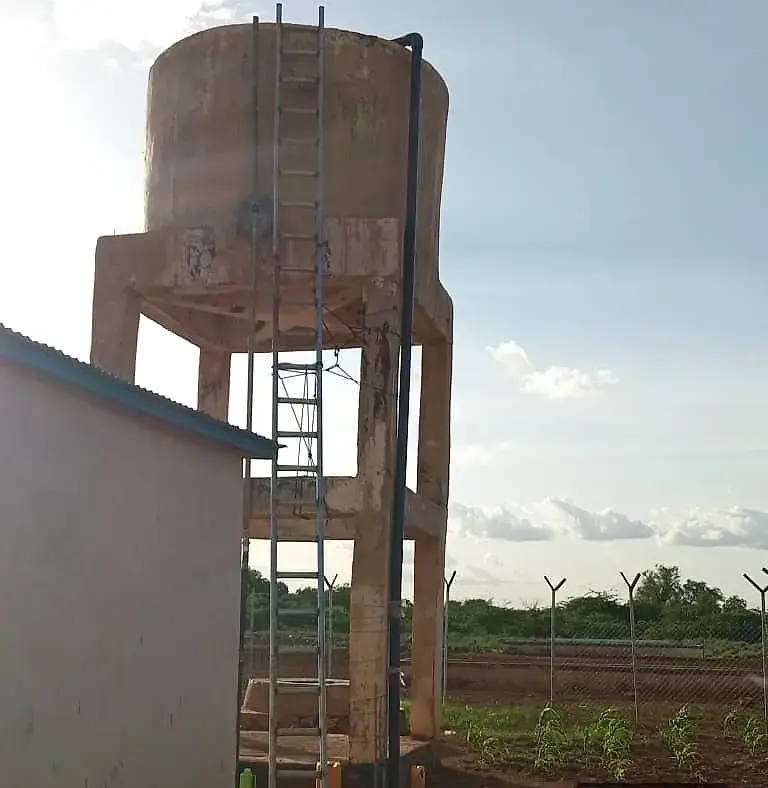
Water governance across Xudur and Wanlaweyn is currently shaped primarily by communities, NGOs, private operators and customary practices. Local government plays important roles in site identification and negotiations, but its role in regulating, coordinating and overseeing increasingly complex and commercialised systems remains limited.
What the government is doing now.
Where the governance gaps are.
How the role is evolving.
As communities and private operators play an increasingly important role in delivering water services, the role of government is evolving from direct service provision towards regulation, coordination, oversight and stewardship of water resources. However, these governance functions remain underdeveloped, creating important gaps in accountability, equity and the long-term sustainability of water services.
The findings suggest that improving water access in displacement-affected settlements requires greater attention to the wider social, economic, governance and institutional factors that influence who can access water, who benefits from water investments and how water services are sustained over time.
Future water investments have implications that extend well beyond improving water supply. Decisions made during planning, implementation and handover can shape patterns of access, control, accountability and sustainability long after construction is complete. Failing to consider these interactions may unintentionally reinforce existing inequalities.
Land ownership, investment, operational capacity and local agreements together shape who controls infrastructure and who can access water over time.
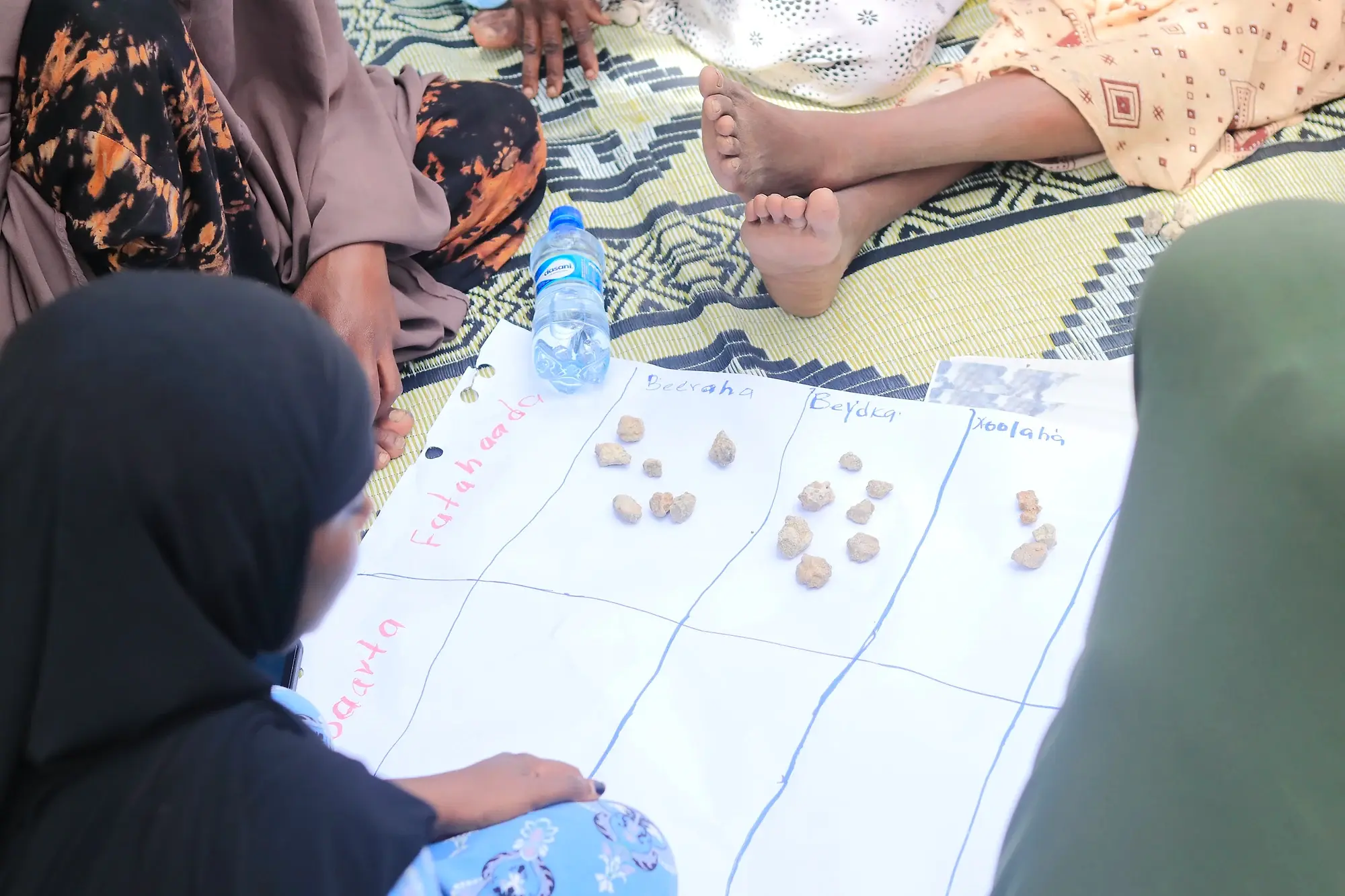
A ranking exercise in progress, counters placed against each option. Photo: Raagsan
Private ownership can coexist with communal access, while communal infrastructure can be privately operated.
Boreholes and higher-quality sources are more likely to be linked to user payments and commercial distribution.
External investment often rehabilitates or extends infrastructure without replacing underlying land ownership and local arrangements.
Actors able to finance fuel, maintenance, repairs and staff are often better positioned to sustain and influence larger systems.
Written agreements, representative management structures and clear responsibilities can help protect communal access after project completion.
Water points can shift between communal, private, customary and hybrid arrangements as demand, infrastructure value and operational requirements change.
The profiles confirm that water tenure is dynamic. Land ownership, investment, operational capacity and local agreements together shape who controls infrastructure and who can access water over time.
The findings point to opportunities to improve water access by strengthening how investments are planned, matching infrastructure and management models to local capacity and market conditions, and building stronger governance and accountability around existing water systems.
Communities should shape governance arrangements.
Future investments should support governance arrangements that communities are willing and able to sustain, rather than applying predetermined management models.